The Grand Table: The Ritual of Dinner
Why dinner has never been only about the food — the table, the setting, and the pleasure of lingering long after the plates are cleared.
The Grand Passage Journal · 6 minute read
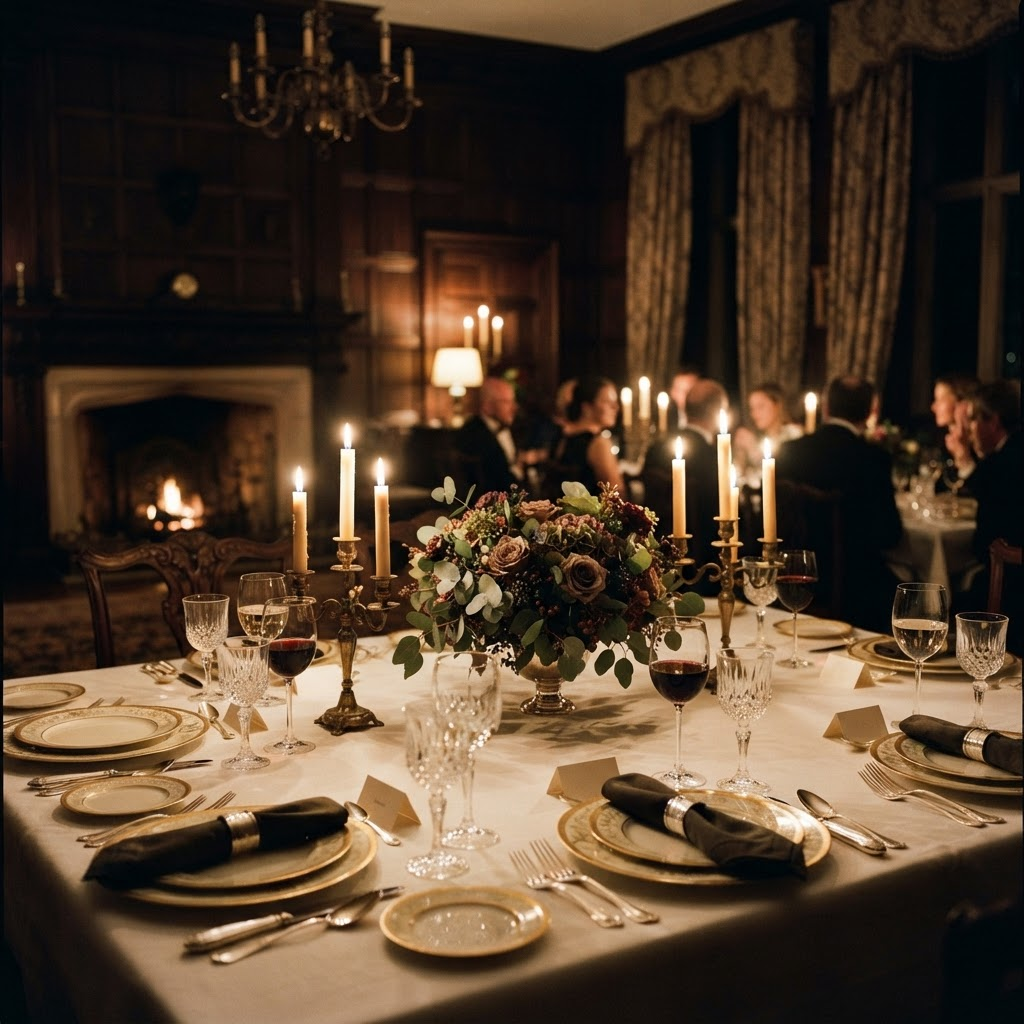
Somewhere between the first glass and the last candle, a good dinner stops being a meal and becomes something else entirely. The food, for all the care it demands, turns out to be only the occasion. What lingers afterward is the shape of the evening — the way the light fell, the turn a conversation took, the sense that for a few hours nothing beyond the table required attention.
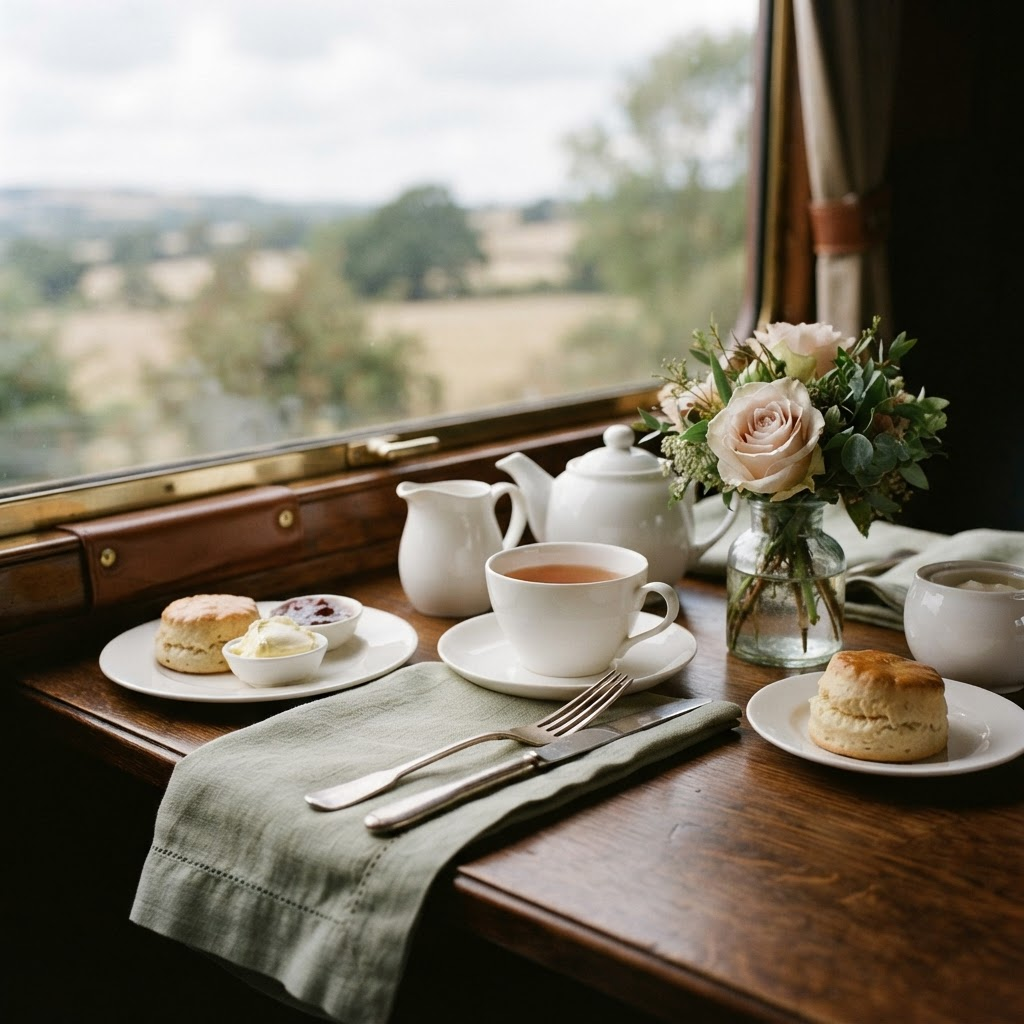
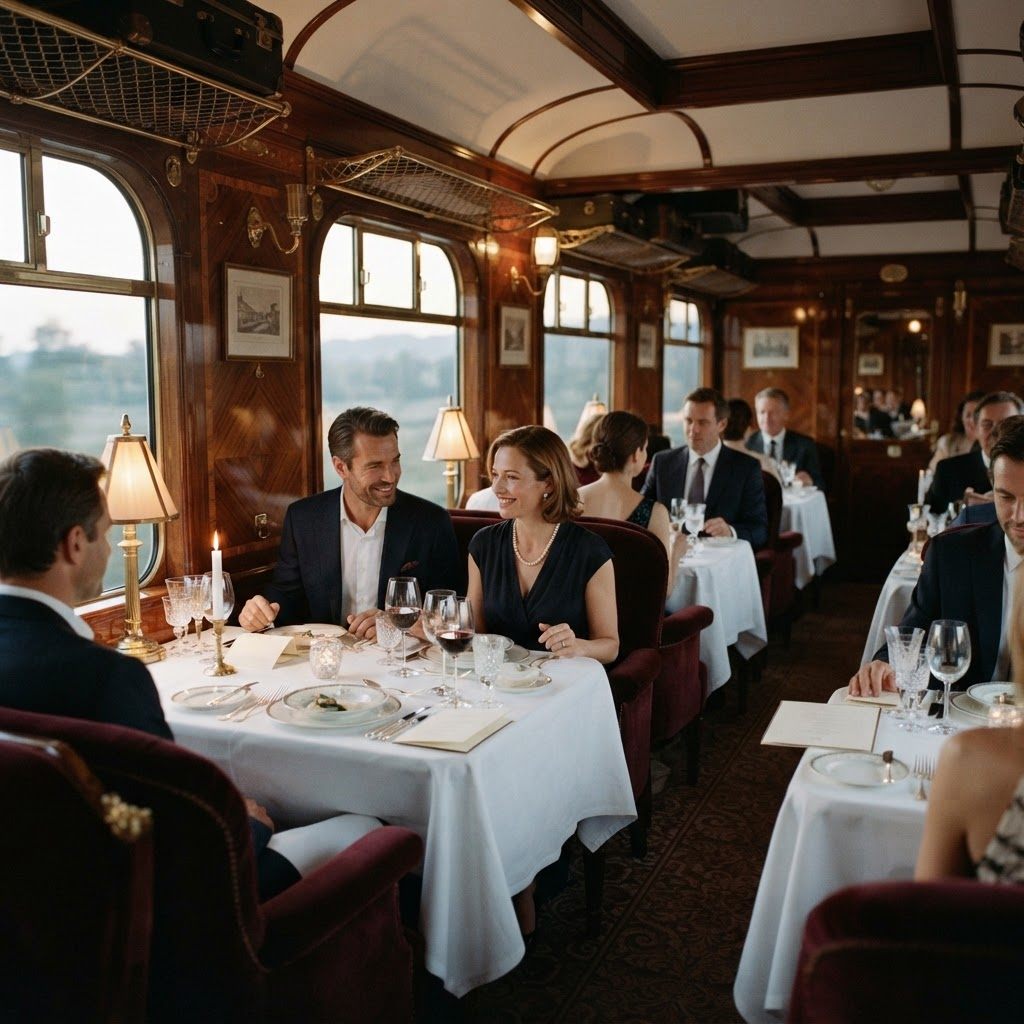
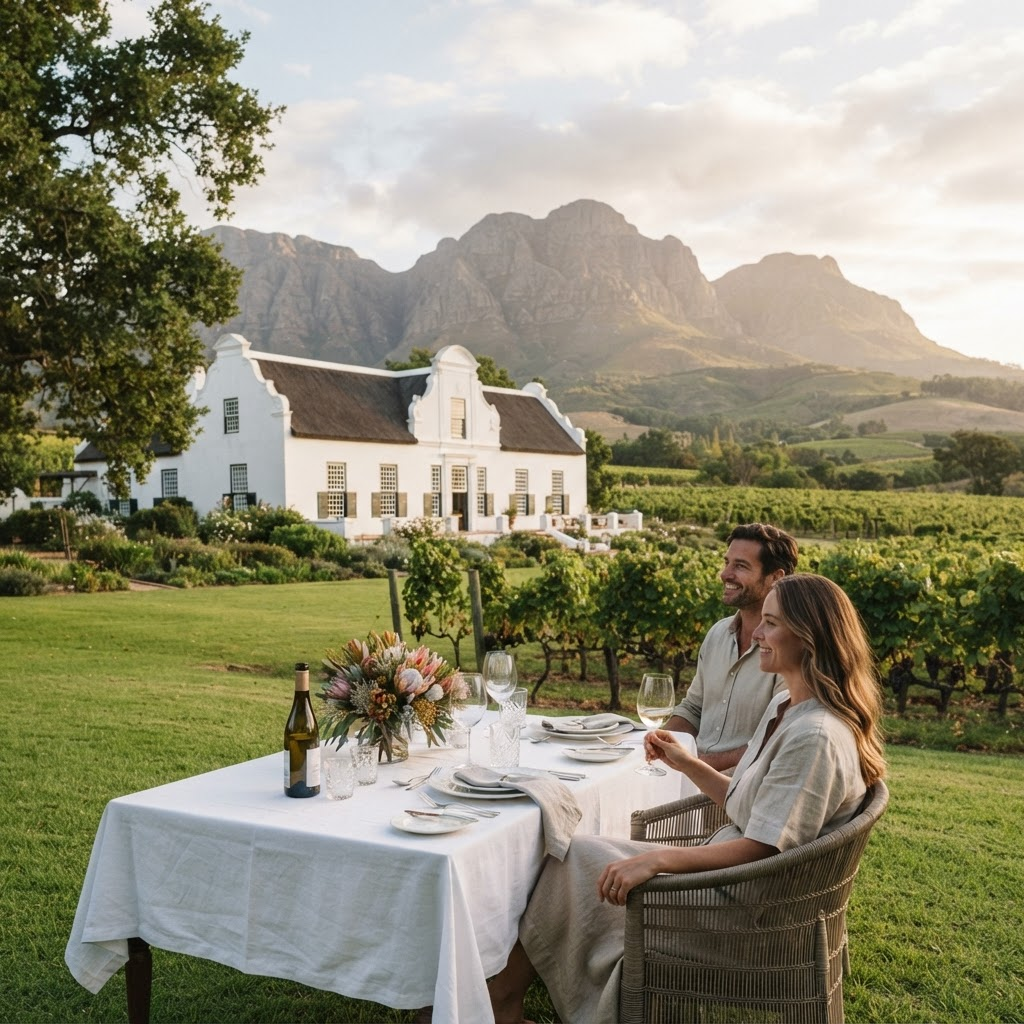
A table set with intent announces this before a word is spoken. Linen pressed and laid, glasses catching the candlelight, a low arrangement of flowers that does not interrupt a sightline — these are not extravagances but signals. They tell every guest that thought has gone before them, and that the evening is meant to be inhabited rather than hurried through.
The finest dinners are measured not by their courses but by how reluctant everyone is to leave the table.
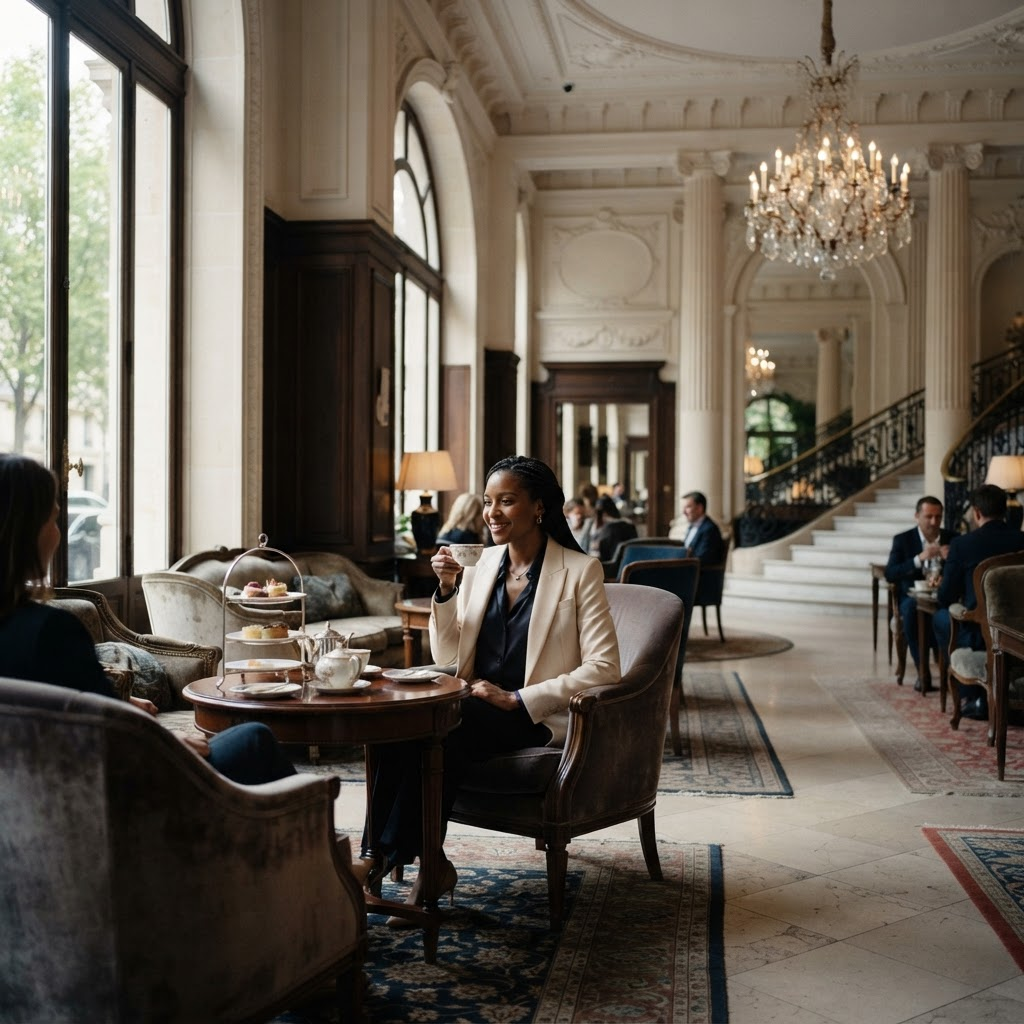
Service, at its best, is nearly invisible. Plates arrive and disappear at the right moment; a glass is filled before it is empty; the rhythm of the meal is set so gently that no one quite notices they are being looked after. This is a craft that resists shortcuts. It depends on people who understand that hospitality is a form of attention, and that attention cannot be automated.
And then there is the lingering — that unhurried second hour when the plates are gone and no one has moved. Coffee is offered and declined and offered again. The candles burn lower. Conversation loosens into something more honest than it was at eight o’clock. This is the part of dinner that no restaurant can guarantee and no menu can promise, and it is invariably the part one remembers.
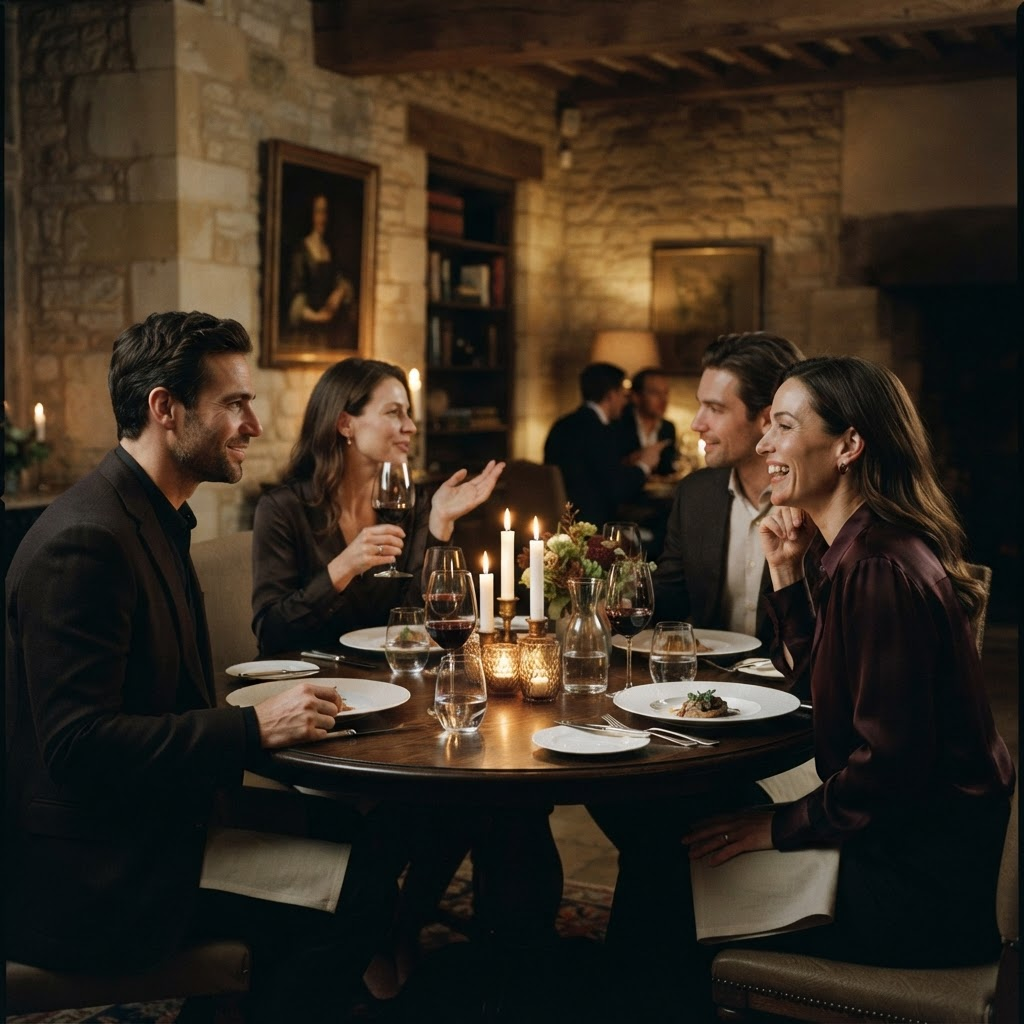
The Grand Passage composes dinners with all of this in mind: the table, the room, the light and the service arranged so precisely that the evening feels effortless, and the only decision left to the guest is whether to stay a little longer. It usually is.