The Slow Return of the Night Train
Why a new generation is rediscovering the romance of arriving by rail, and the quiet luxury of the unhurried journey.
The Grand Passage Journal · 6 minute read
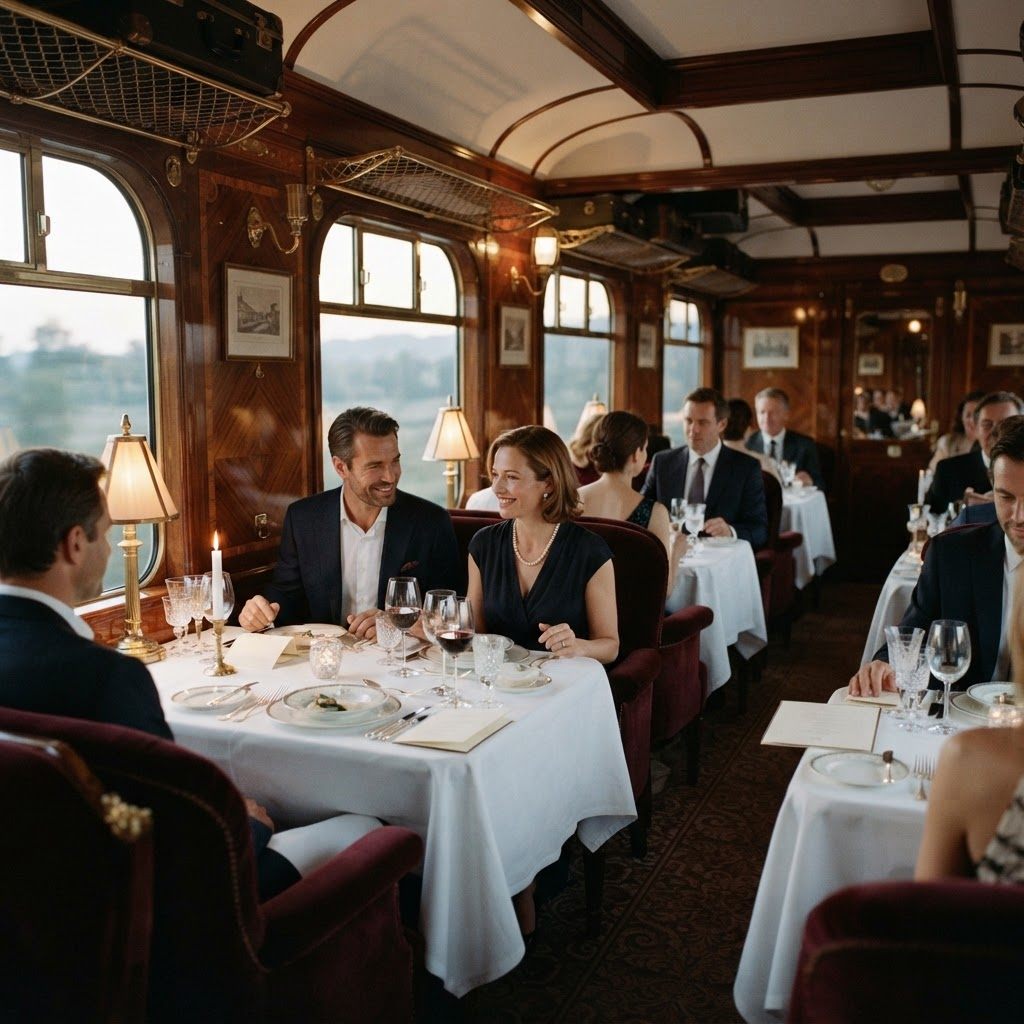
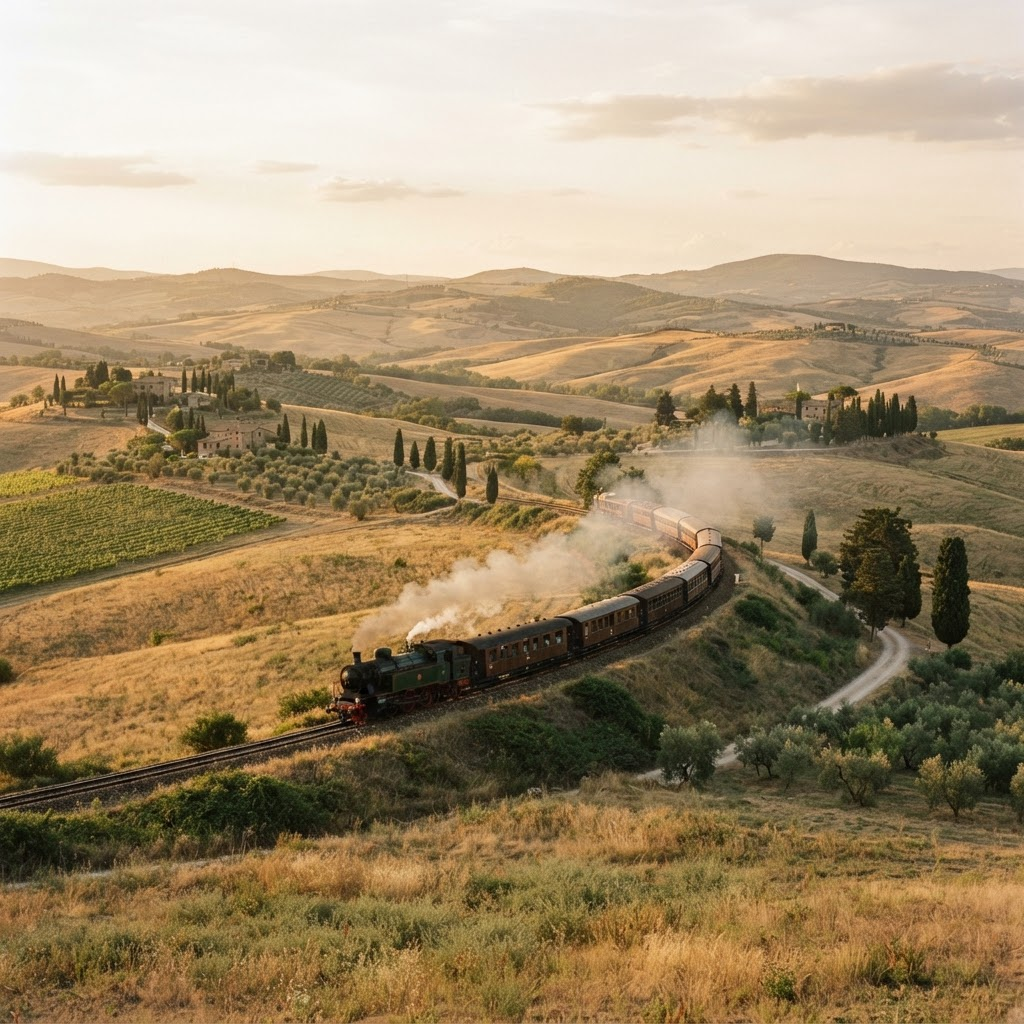
There is a particular hour aboard a night train — somewhere after the last service has been cleared and before the corridor lamps are dimmed — when the journey ceases to be transport and becomes something closer to sanctuary. The landscape has surrendered to darkness. The only evidence of movement is the gentle percussion of the rails and the occasional far-off light of a town that will have no name by morning.
For much of the last century, the night train was treated as an inconvenience to be engineered away. Speed was the ambition; the flight and the motorway promised to compress the hours between here and there until the space between them disappeared entirely. And for a time, that promise was intoxicating.
To travel by night train is to be reminded that arrival was never the point.
Yet something was quietly lost in the compression. A generation raised on the frictionless efficiency of modern travel has begun to suspect that the journey itself — its rituals, its enforced stillness, its long uninterrupted conversations — was the very thing worth keeping. The night train, once dismissed as romantic nostalgia, has returned as something more considered: a deliberate refusal to hurry.
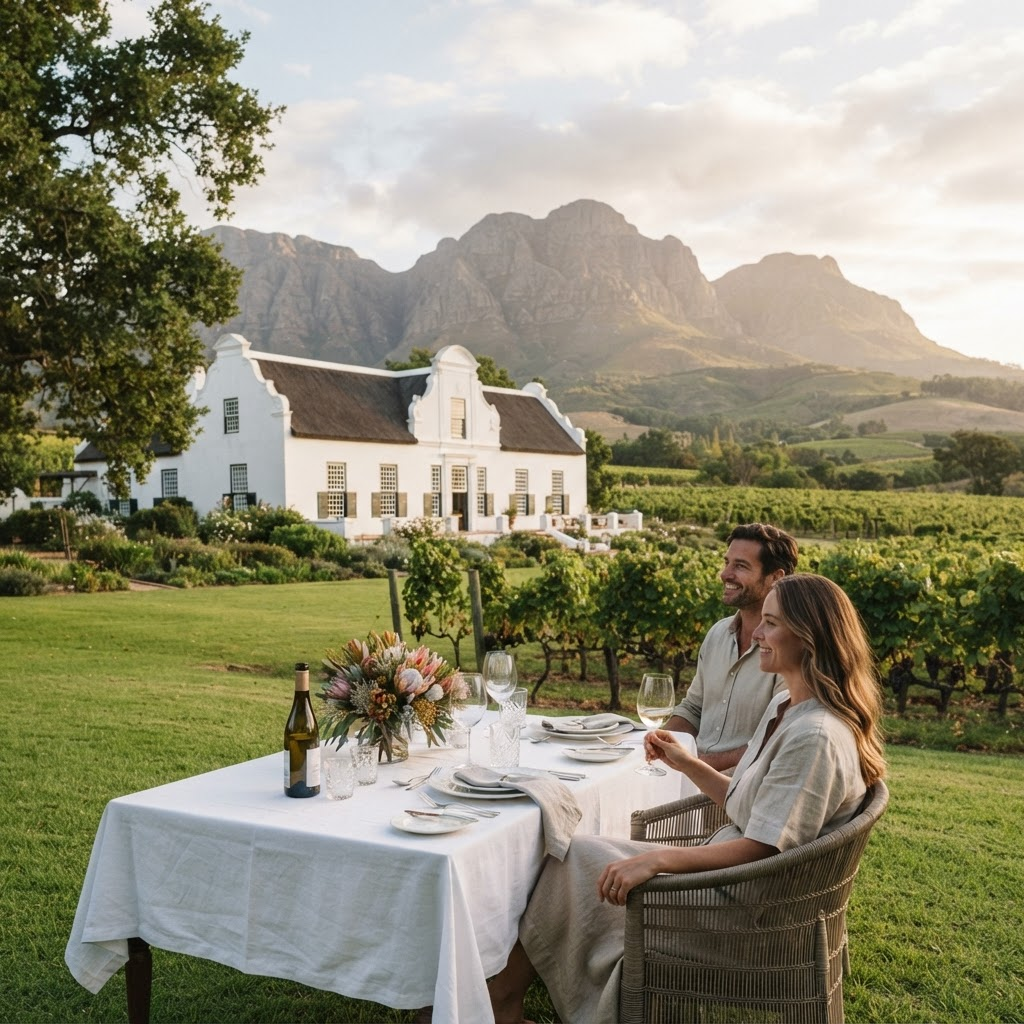
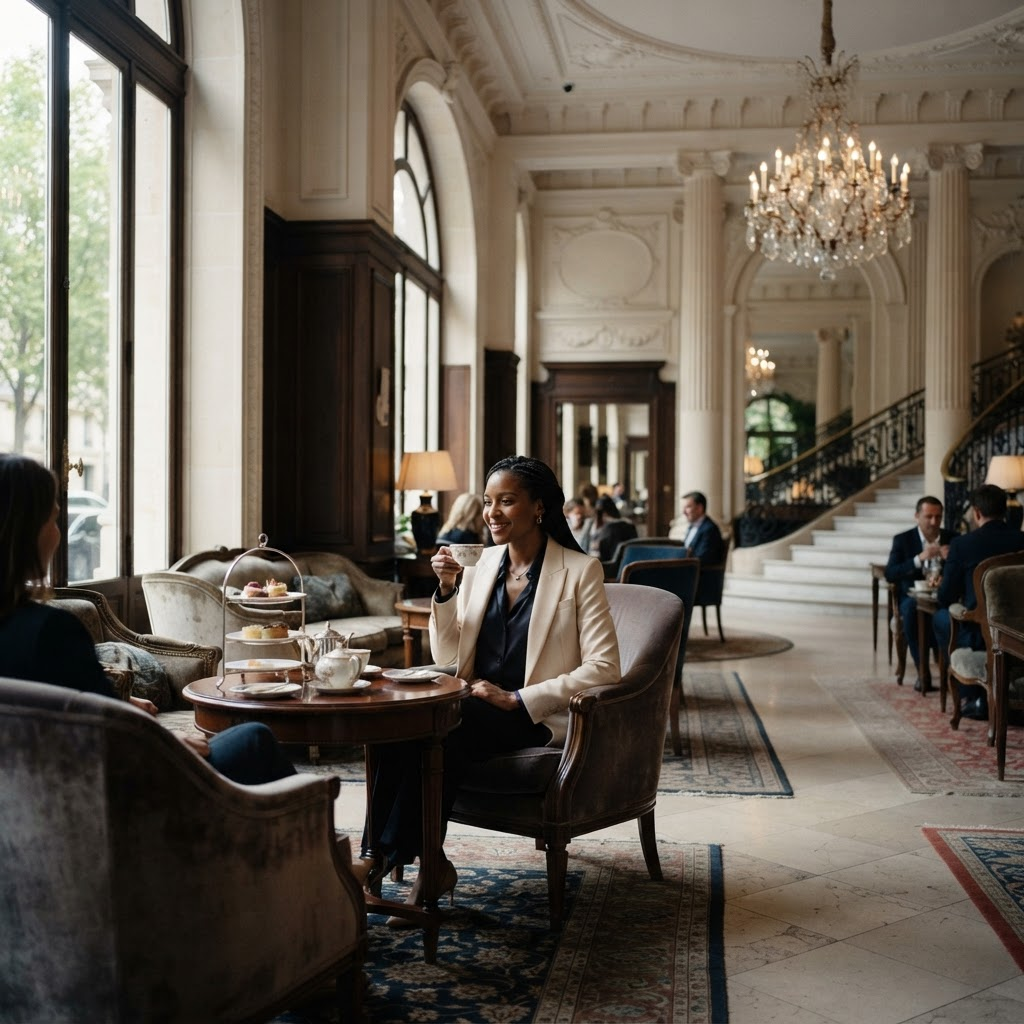
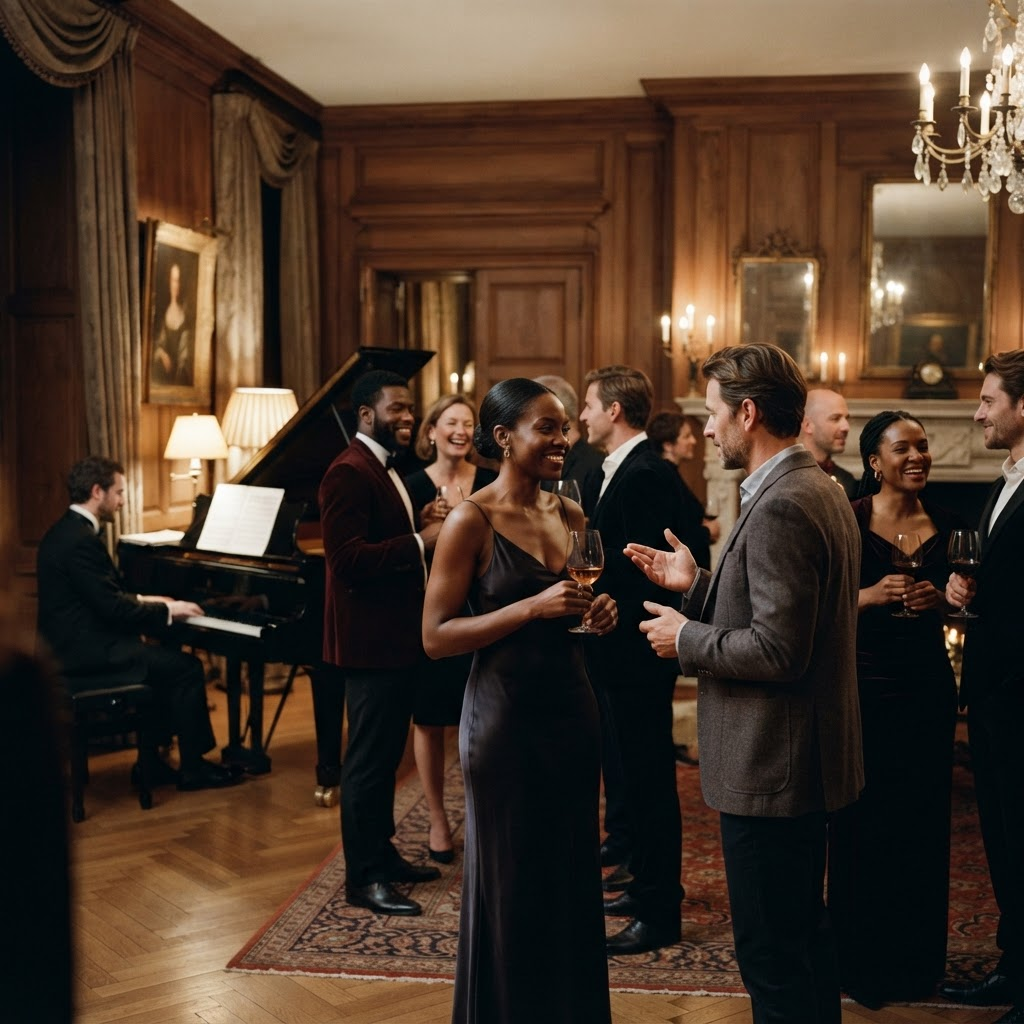
The pleasures are specific. Dinner taken slowly as the countryside slides past the window. A nightcap in a panelled lounge car with no notifications to answer. The peculiar luxury of waking, drawing back the blind, and discovering that the world has changed entirely while you slept. One does not merely reach a destination by rail; one is delivered to it, transformed by the passage.
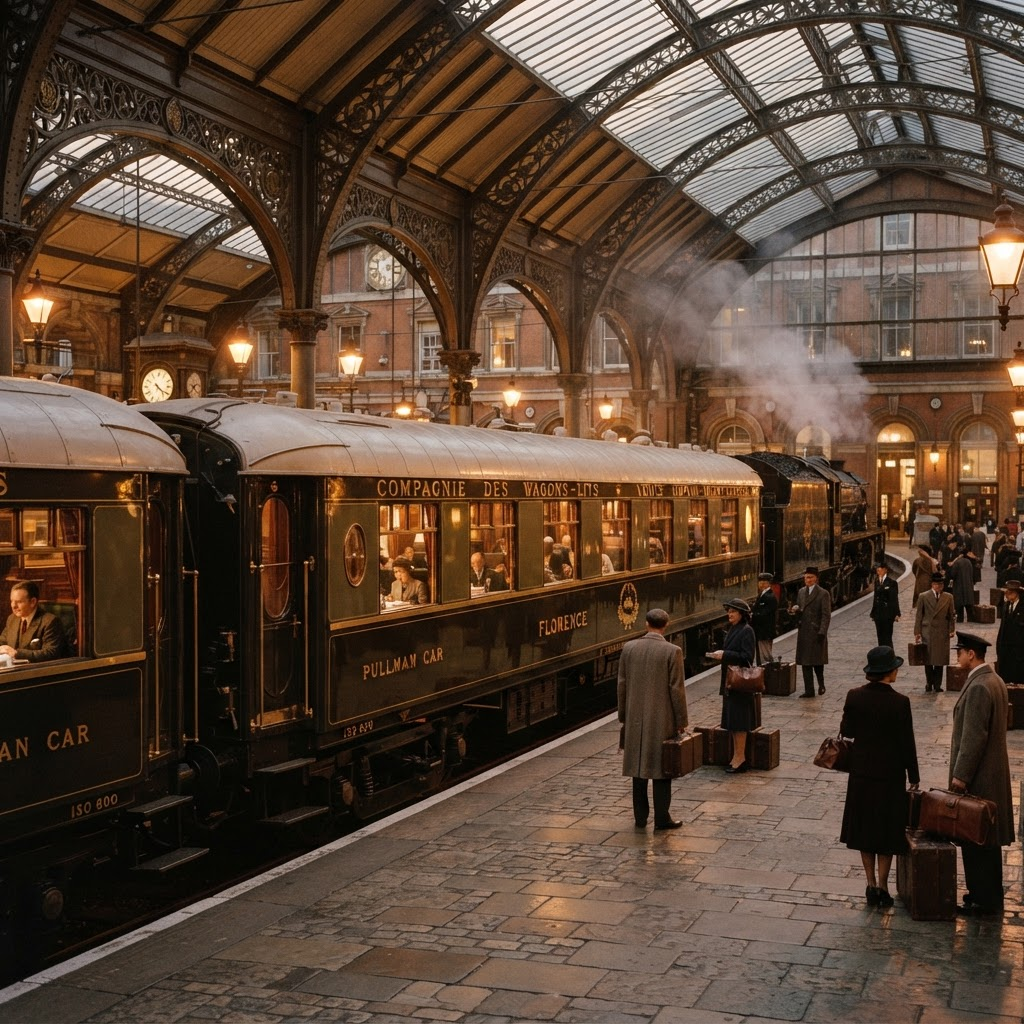
This is the sensibility The Grand Passage was founded to protect. We compose rail journeys not as A-to-B logistics but as chapters — with an overture, a middle movement and a slow, satisfying resolution. The unhurried journey is not a compromise on modern life. It is, increasingly, its most sophisticated answer.