On the Grammar of a Grand Hotel
What the great houses of hospitality still understand about time, ceremony and the pleasure of being cared for.
The Grand Passage Journal · 7 minute read
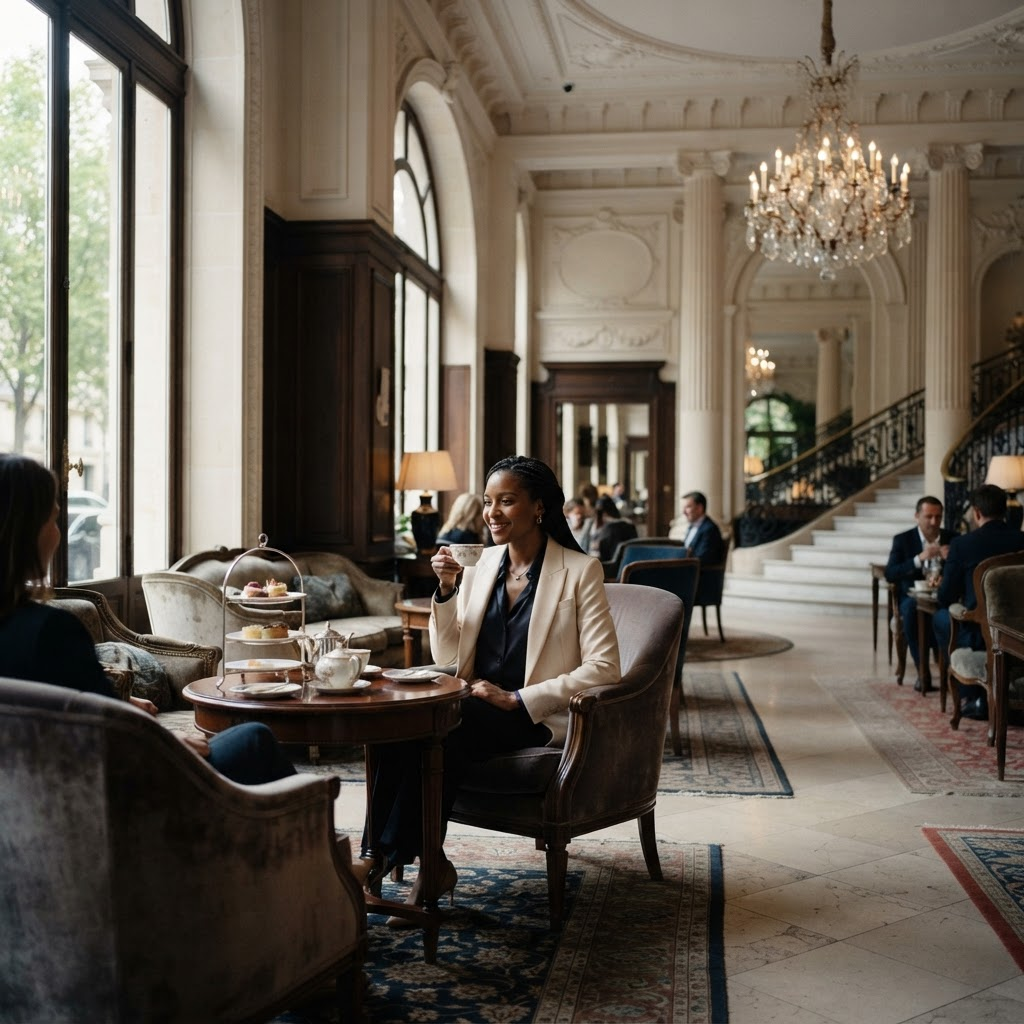
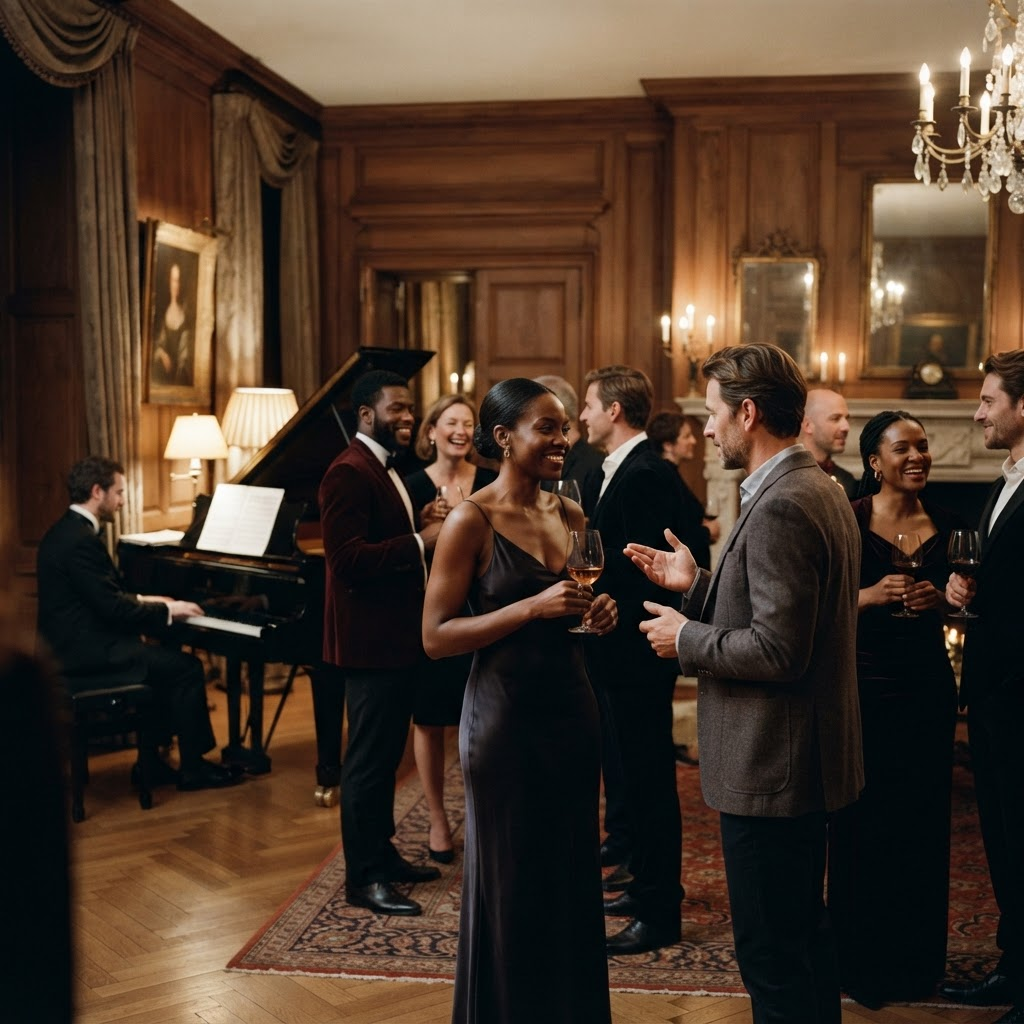
Walk into a truly grand hotel and you sense it before you can name it: a grammar, a set of unspoken rules that govern how time moves through the room. The lobby is not a thoroughfare but a destination. The concierge does not process you; they receive you. Somewhere, almost inaudibly, a piano is being played for no reason other than that it should be.
The great houses of hospitality have survived not by chasing novelty but by protecting ceremony. Afternoon tea arrives at the appointed hour, arranged with a precision that has not changed in a hundred years. The doorman remembers your name on the second morning. These are not efficiencies — they are, if anything, gloriously inefficient — and that is precisely the point.
A grand hotel does not sell rooms. It offers the increasingly rare sensation of being genuinely cared for.
We have become fluent in a language of convenience: the seamless check-in, the app, the frictionless transaction. And there is a place for all of it. But the grand hotel speaks a different language entirely, one of attention and anticipation, in which the highest luxury is not speed but the sensation of being genuinely, unhurriedly cared for.
It is a grammar that must be learned slowly and defended constantly, because it is far easier to strip away a ritual than to restore one. The houses that endure are those that understand what they are truly offering is not a room for the night but a few days lived at a more civilised tempo.
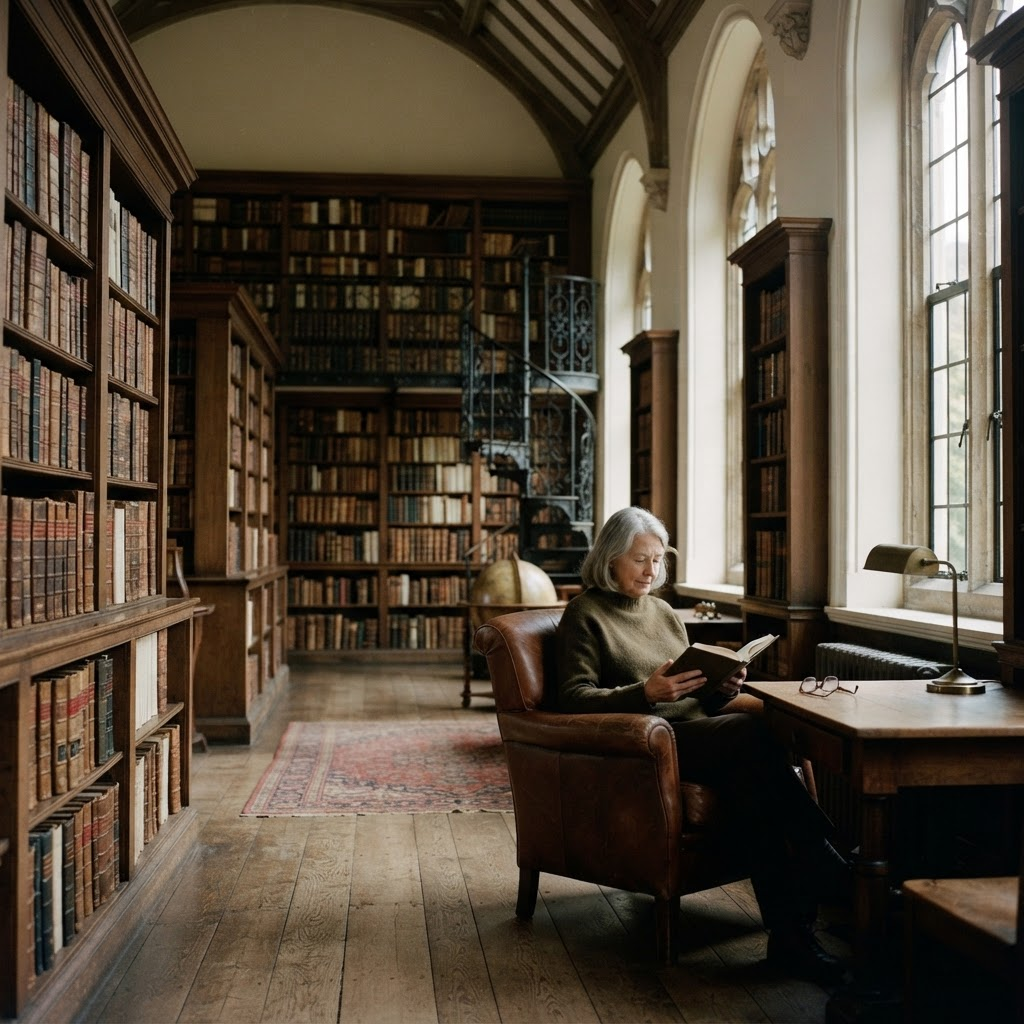
When The Grand Passage places a guest within one of these houses, we are not booking accommodation. We are entrusting them to an institution that still remembers how to make time feel generous — and arranging the stay so that its ceremonies unfold exactly as they were always meant to.